There is a particular kind of Customer Success team I’ve seen more than once. The CSMs are smart, experienced, proactive and genuinely care about their customers. They are the people everyone relies on when something gets complicated, and they usually find a way to make things work.
From the outside, it can look like you have a really strong CS team (and you probably do).
The problem is that great people can compensate for a broken system for a surprisingly long time. Eventually, the cracks start showing.
A customer gets a different onboarding experience depending on which CSM they have. A handoff arrives without the key information the team needs. Three people assume someone else is handling an important task (I’ve definitely experienced this one). A CSM spends days chasing an internal dependency. Someone creates another spreadsheet because the existing process doesn't quite work. Docs on docs on docs…
Then someone asks, “Why does CS need more headcount?”
Maybe they do. But before opening another role, I’d want to understand what is actually creating the workload.
Your best CSM shouldn't have to be the operating system
One of the easiest ways to create operational dependency is to let your strongest CSM become the person who remembers everything. They know where the information lives, who to ask, which Product manager will respond fastest, which customers need extra attention and how to handle the difficult implementation.
That person is incredibly valuable. They are also a risk if the process only works because they are there.
Handoff documentation, implementation plans, stakeholder maps, risk tracking, decision logs, clear ownership and consistent kickoff structures give the team a foundation to work from. The repeatable work should have a repeatable home.
That gives experienced CSMs more room to focus on the situations that actually require judgment rather than spending their days reconstructing information and coordinating work.
Ambiguous ownership creates invisible work
This is one of the biggest sources of unnecessary CSM workload.
Who owns the technical implementation? Who owns the customer timeline? Who handles the product question? Who follows up with the customer? Who makes the decision when something gets escalated?
When those answers aren't clear, the CSM often becomes the default owner.
- “Can you follow up with Product?”
- “Can you check on that?”
- “Can you make sure everyone is aligned?”
Individually, those requests seem small. Across 20 or 30 customers, they become a significant part of someone's job.
I’m also careful with the phrase “the CSM owns the customer.” Someone needs to keep the relationship moving, but that doesn't mean every meeting, task, dependency, escalation and internal follow-up automatically belongs to the CSM.
Customers don't care about your org chart. They care that someone knows what is happening, who owns the next step and when it will happen.
A great CSM cannot manufacture a customer outcome
I’ve worked across enough onboarding and implementation programs to know how easy it is to confuse activity with progress.
The kickoff happened. Training happened. The integration was completed. The customer went live. Everyone checks the box.
Then six weeks later, adoption is low and the customer is asking where the ROI is.
The CSM can work incredibly hard in that situation, but if the company hasn't clearly defined what the customer is supposed to achieve, they are working without a destination.
Before building an onboarding process, I want to understand what success looks like for that customer, what first value looks like, which stakeholders need to be involved and what needs to happen for them to achieve the business outcome that justified the purchase.
That clarity changes the entire post-sale experience.
Heroics become more expensive as you scale
Early-stage companies often survive on heroics. One person knows the process. Someone remembers to chase the missing information. A CSM creates a custom onboarding plan because the standard one doesn't quite work. Everyone knows where everything is because they've been around long enough.
Then the company grows.
There are more customers, more CSMs, more complex implementations and more teams involved in the customer journey. The operating model that worked when everyone could sit around a table starts falling apart.
This is also where account ratios can become misleading. A CSM managing 10 highly complex enterprise accounts with integrations, multiple stakeholders and significant project management responsibilities may have a much heavier workload than someone managing 50 lower-touch customers.
Account volume is only one part of the equation. Complexity, ARR, implementation effort, stakeholder involvement and project management load all matter.
Good people need room to use their judgment
This is probably the part of operational design I care about most.
A good playbook makes the predictable parts easier. It helps a CSM know what happens next, where information belongs, who owns a task and how a standard situation gets handled.
That creates more mental space for the things that cannot be neatly documented: the difficult stakeholder, the unusual implementation, the customer whose business has changed, or the renewal risk that doesn't look obvious in the data.
I like playbooks that feel more like a good map than a Broadway script. They give you direction without telling you exactly how every scene has to go.
The real test
When I look at a CS organization, I don't just ask whether the team has good people. I ask what happens because those people are good.
Are they spending their experience solving meaningful customer problems? Or are they using their experience to compensate for missing processes, unclear ownership and disconnected information?
That distinction matters.
If your best CSM left tomorrow, would the system still work? Would the next person know what was sold, what success looks like, who owns each dependency and where to find the relevant customer information?
Or would someone quietly say, “Well... Sarah knew how all of that worked.”
That is the test.
Great CSMs are incredibly valuable. Your post-sale system should make them even better, while making sure they aren't carrying the entire operation on their backs.
If your CS team feels stretched right now, before you hire another CSM, take a hard look at what is creating the workload.
Sometimes the answer is another person. Sometimes the answer is fixing the way the work gets done.
Good people deserve a system that lets them do their best work.
Want to talk through your post-sale operation?
Book a free consultation and let’s look at what’s working, what’s creating unnecessary friction, and where there’s room to build something more scalable.
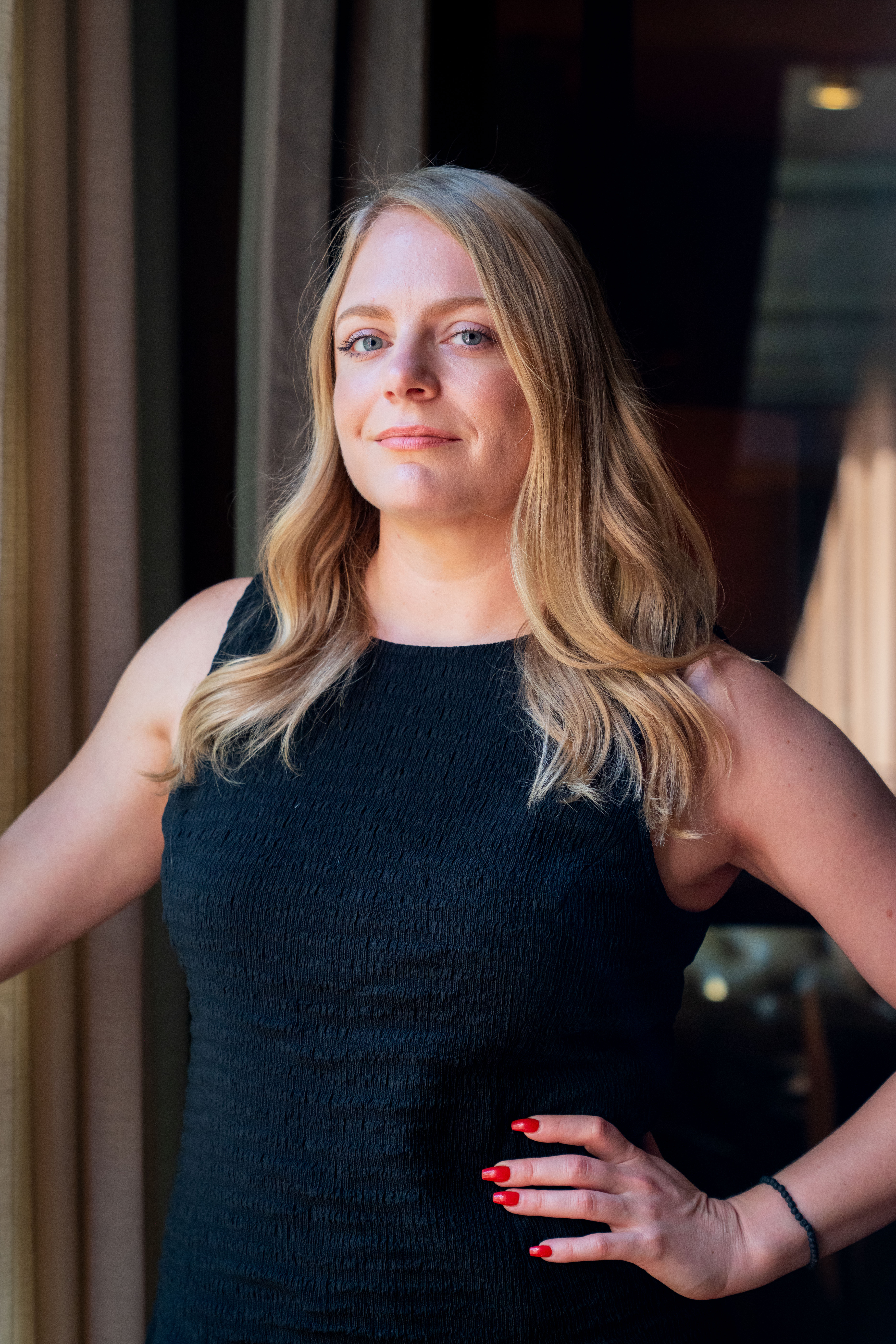
Christine Borkowski
Christine Borkowski is the founder of The SaaS Post-Sale Studio, a consulting practice helping Series A/B SaaS companies build post-sale systems that stick. She has 14+ years of experience in enterprise CS, onboarding, and implementation, with clients including Sony Pictures, Disney Cruise Line, Yum! Brands, and Activision Blizzard.