After 100+ implementations and $10M+ in managed ACV over the years, the pattern is similar whether you're a customer engagement platform, an experimentation platform, or something else entirely: churn and stalled expansion rarely trace back to the product. They trace back to the handoff between Sales and Customer Success.
Here are the 3 gaps I see in almost every Series A/B SaaS team that has outgrown ad hoc onboarding.
1. No shared definition of "onboarded"
Sales often treats signature, or "Closed Won," as the finish line. My favorite AEs stick around a little while longer or act as the account manager, but plenty don't. In my experience, additional context and involvement from the AE tends to keep the new customer at ease, since the evaluation period in B2B SaaS is often long. A familiar face helps build trust post-sale if the AE has the capacity to shadow calls and stay involved.
Customer Success knows the real finish line is first value, and that alone creates a gap before you even get to the second problem: most orgs never define first value early on, so CS ends up chasing a moving target. One of my main recommendations for early-stage startups is to define what "first value" means and align on it internally, and externally if applicable, so your teams know what to march toward instead of stalling out.
If those two finish lines are more than 2-4 weeks apart, depending on the complexity of your product, expansion conversations start late. By the time CS notices a stall, the champion has already gone quiet.
This isn't a communication issue you fix with a Slack channel. It's a definitions problem. Until Sales and CS agree on what "onboarded" actually means, in writing, every downstream conversation about health, risk, and expansion is happening on two different clocks. The key early on is aligning those clocks.
2. Context dies at the handoff
Discovery call notes, the exact business outcome the buyer cared about, the internal politics: not all of it reliably makes it from the AE to the CSM. CS ends up re-discovering the deal from scratch, which reads to the customer as "they don't know who we are." I've run into this throughout my entire time in the software industry.
That re-discovery costs more than time. It costs credibility in the first 30 days, which is exactly when the customer is deciding whether this was the right purchase. If the customer has to constantly repeat themselves post-evaluation, you can get into trouble fast.
One caveat: sometimes the evaluating team is different from the executing team. When that's the case, re-establishing what first value, goals, objectives, and implementation strategy mean happens naturally between all parties, and it's a good opportunity to build trust with the evaluators, the implementation team, and the end users.
3. No structured trigger for expansion signals
Your expansion pipeline isn't found in QBRs. It's found in product usage and adoption patterns, strategic conversations, and support tickets in weeks 3 to 6. Teams without a defined handoff checklist almost never have anyone watching for it at the right time, so the signal passes and the renewal conversation becomes a discount negotiation or a partial churn instead.
By the time expansion shows up on a QBR agenda, the window to act on it as a signal, rather than react to it as a request, has usually already closed. You want your CSMs to know your product inside and out so they can catch expansion opportunities as they happen, not months later.
The fix isn't headcount
Fixing all three doesn't require a bigger team, especially if you're early-stage with limited funding. It requires a documented system: clear handoff criteria, a shared definition of "onboarded," and a checklist for spotting expansion signals early enough to act on them.
I work with Series A/B teams to fix exactly this: handoff criteria, a shared "onboarded" definition, and an expansion signal checklist built for your team, not a template. If this sounds familiar, let's talk.
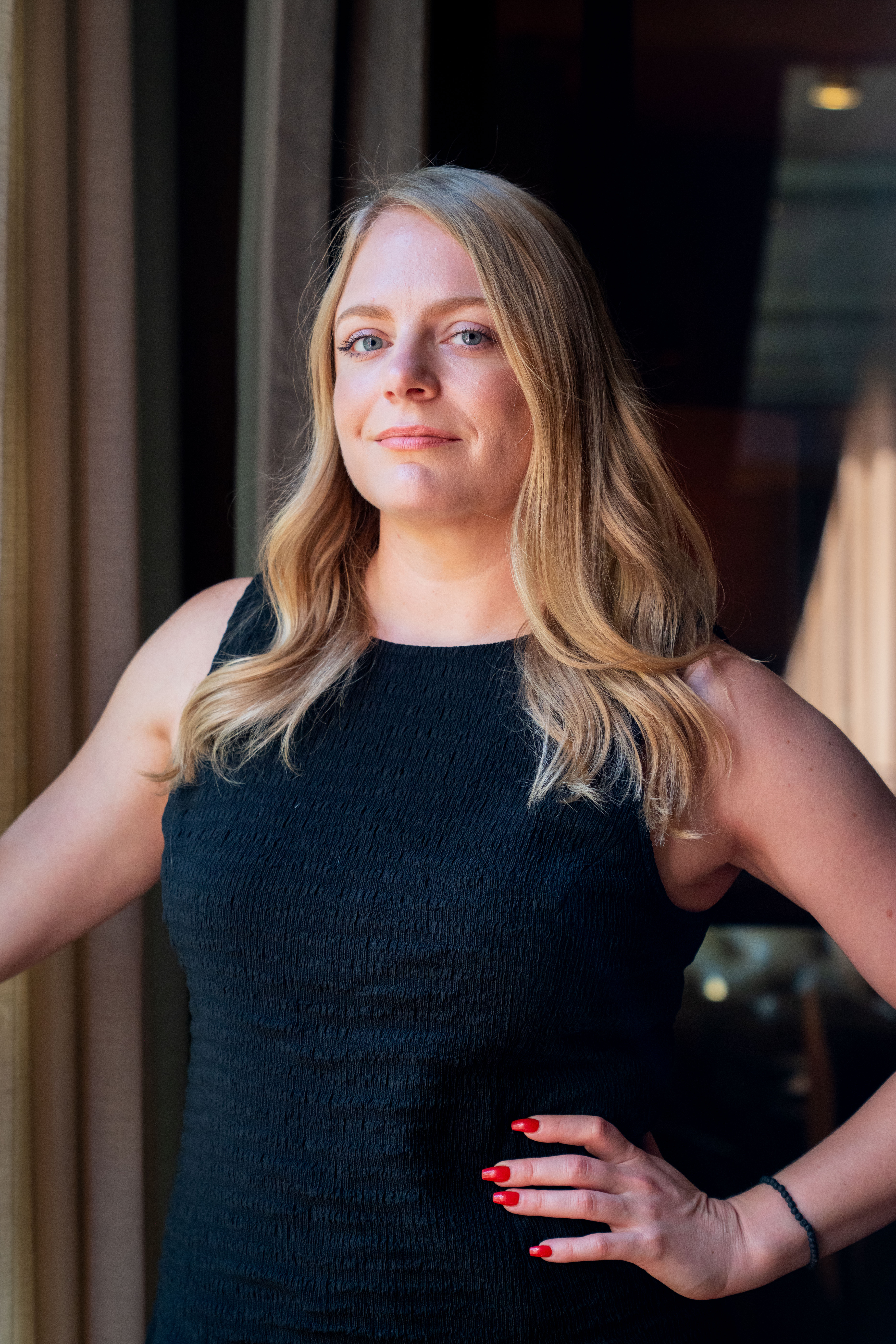
Christine Borkowski
Christine Borkowski is the founder of The SaaS Post-Sale Studio, a consulting practice helping Series A/B SaaS companies build post-sale systems that stick. She has 14+ years of experience in enterprise CS, onboarding, and implementation, with clients including Sony Pictures, Disney Cruise Line, Yum! Brands, and Activision Blizzard.